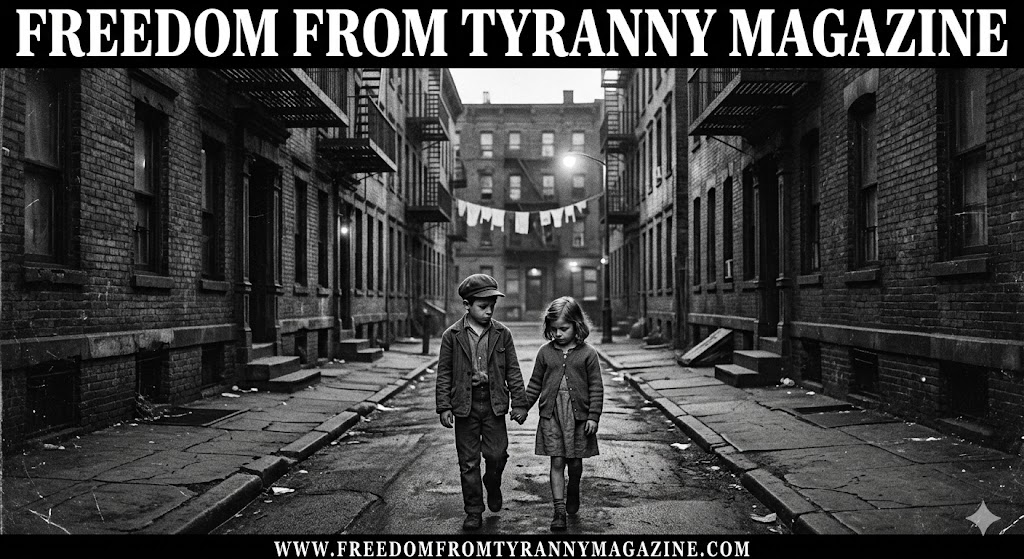
In the heart of the Bronx, the Hunts Point section has long been a landscape of grit and survival. But for Frank Delrio and his sister, Awilda Gonzalez Delrio, the most dangerous territory wasn’t the streets outside—it was the claustrophobic confines of a home where innocence was systematically dismantled.
Their story is a harrowing case study in how tyranny isn’t always a political regime; sometimes, it is a domestic cycle of trauma that spans generations.
The Shattered Mirror: Gregorio “Grego” Delrio
The foundation of this tragedy began with their older brother, Gregorio—known to the neighborhood as “Grego.” In a cramped apartment typical of the 1970s Bronx, Grego, then 22, wielded an absolute and terrifying authority over his younger siblings. While Frank and Awilda were still in the formative years of childhood—ranging from ages 6 to 10—they were subjected to a campaign of molestation that would go undetected for years.
The tyranny of Grego ended abruptly and violently. When the police were finally notified of the horrors occurring behind closed doors, Grego chose a coward’s exit over a courtroom. He was found dead, having hung himself from a shower curtain rod.
While his death provided an immediate end to the physical abuse, it left behind a psychological vacuum. There was no justice, no healing, and in the culture of silence that often permeates traumatized communities, there was no intervention.
From Victim to Victimizer: The Inherited Chain
The philosophy of Freedom From Tyranny often focuses on the external—the state, the law, the oppressor. Yet, the most insidious form of tyranny is the one that colonizes the mind of a victim.
As Frank and Awilda transitioned into adulthood, the scars of Hunts Point didn’t fade; they metastasized. Research into the “intergenerational cycle of abuse” suggests that without profound therapeutic intervention, the brain often normalizes the trauma it once endured. In a tragic irony, the very individuals who suffered under Grego’s shadow began to cast shadows of their own.
Reports indicate that as adults, both Frank and Awilda allegedly carried the torch of their brother’s depravity, perpetrating sexual abuse against their own relatives. The children who once needed a champion became the predators they once feared.
Breaking the Cycle
The Delrio story is a grim reminder that tyranny feeds on silence. * The Silence of the Community: Which often looks away from “family matters.”
- The Silence of the System: Which failed to provide the necessary support to the young Delrio children after their brother’s suicide.
- The Silence of the Victims: Who often feel that their only power lies in reclaiming the role of the oppressor.
True freedom is more than just the absence of a dictator; it is the breaking of the chains of trauma. For the extended Delrio family, the “Freedom From Tyranny” is a battle still being fought—a struggle to ensure that the legacy of Hunts Point ends with the current generation and that the ghost of “Grego” is finally laid to rest through accountability and truth.